Dragon's Lair, the iconic laserdisc arcade game, continues to captivate players globally, evolving with modern gaming trends and platform releases. This enduring classic from 1983, renowned for its stunning Don Bluth animation and challenging quick-time events, sees renewed interest in 2026 through enhanced ports, VR adaptations, and competitive speedrunning scenes. Gamers seek comprehensive guides, optimal settings, and strategies to conquer Dirk the Daring's quest to rescue Princess Daphne. Understanding its unique gameplay, historical significance, and the nuances of its modern iterations is crucial for both seasoned fans and new adventurers alike. Navigational queries like 'Dragon's Lair how to play' and 'best Dragon's Lair port' frequently trend. Informational searches delve into its development, impact on gaming, and community speedrun records. This guide explores everything from basic controls to advanced tactics, ensuring players are well-equipped for its timeless challenges. Discover optimal settings, learn to avoid common pitfalls, and uncover hidden strategies to save Daphne efficiently. The game's legacy persists, drawing in new generations. Its distinct charm remains undiminished. Modern hardware makes it accessible to everyone now.
Welcome, fellow adventurers, to the ultimate Dragon's Lair game FAQ for 2026! Dirk the Daring's quest to rescue Princess Daphne remains as timelessly challenging as ever, whether you're battling Singe on your cutting-edge PC or reliving arcade glory in VR. With new ports, hidden secrets still being unearthed, and the speedrunning community pushing boundaries, there's always something fresh to learn. This living document is your go-to guide, meticulously updated for the latest patches and community insights, tackling over 50 of the most asked questions. From mastering frustrating quick-time events to uncovering endgame strategies, we've got you covered. Dive in and make Dirk proud!Beginner Questions & First Steps
How do I play Dragon's Lair and what are the basic controls?
Dragon's Lair is a classic laserdisc game where you react to animated scenes. You'll typically use a joystick for four directions (up, down, left, right) and a sword button to guide Dirk. The key is memorizing sequences and precise timing, as there are no on-screen prompts; you must react to visual cues within the animation itself.Is Dragon's Lair a hard game? (Myth vs Reality)
Myth: Dragon's Lair is impossible. Reality: It's incredibly difficult due to its unforgiving timing and reliance on memorization, not traditional reflexes or exploration. Each death teaches you the correct input, making it a "trial and error" experience. Modern versions often include practice modes to ease the learning curve significantly.What platforms can I play Dragon's Lair on in 2026?
In 2026, Dragon's Lair is surprisingly accessible across many platforms. You can find it on PC (Steam, GOG), PlayStation (PS4/PS5), Xbox (Xbox One/Series X|S), Nintendo Switch, and even mobile devices. There are also high-definition and VR versions available, offering various ways to experience the iconic animation and gameplay.Are there any difficulty settings or assists for new players?
Many modern ports of Dragon's Lair include helpful features for newcomers. These often involve "watch mode" to learn sequences, "practice mode" for specific scenes, or visual indicators that briefly flash the correct input direction. These assist options make the game far more approachable than its original arcade cabinet incarnation.Mastering Quick-Time Events & Timing
What are the best tips for mastering Dragon's Lair's QTEs?
Mastering Dragon's Lair involves absolute precision. Focus on memorizing each scene's sequence: where to move, when to attack. Pay close attention to subtle visual cues, like enemy movements or environmental changes, that indicate the exact moment for your input. Practice individual scenes repeatedly until muscle memory takes over.How critical is frame-perfect timing in Dragon's Lair?
Frame-perfect timing is paramount in Dragon's Lair. Many actions have incredibly narrow windows of opportunity, often just a few frames long, meaning a slight delay or premature input results in Dirk's demise. Modern high-refresh-rate displays and low-latency input devices can provide a minor edge in achieving this precision.Are there common patterns to look for in the game's animations?
Yes, Dragon's Lair often uses recurring patterns. For instance, specific enemy types might always require the same directional dodge or sword thrust timing. Environmental traps, like collapsing floors or swinging axes, often have a predictable rhythm. Identifying these patterns across different scenes simplifies memorization and improves reaction speed.Does FPS (frames per second) drop or stuttering affect gameplay?
While not a traditional FPS (First-Person Shooter) game, consistent FPS is crucial for Dragon's Lair's timing-based gameplay. Any FPS drop or stuttering can throw off your internal rhythm, making precise inputs nearly impossible. Ensure your system meets the game's requirements and close background applications for optimal performance.Optimal Settings & Performance (Ping, Lag, Drivers)
What settings optimization are best for Dragon's Lair on PC?
For PC, settings optimization for Dragon's Lair primarily revolves around display and audio. Ensure you're running at your monitor's native resolution and highest refresh rate. Disable any unnecessary post-processing effects or V-sync if it introduces input lag. Prioritize a wired connection for controllers for minimal delay.How does ping or lag impact Dragon's Lair, even as a single-player game?
Ping and lag aren't directly an issue for Dragon's Lair in its core single-player experience. However, if you're streaming the game via cloud services or playing an online multiplayer version (like a shared screen setup), high ping can introduce significant input delay, making its already strict timing impossible to meet.Are there specific drivers or software I need for best performance?
For Dragon's Lair, ensure your graphics drivers (NVIDIA, AMD, Intel) are up-to-date, as these can affect video decoding and display performance. Input device drivers (gamepad, keyboard) should also be current to ensure minimal latency. Some emulators might require specific codecs or DirectX/OpenGL versions.Can I play Dragon's Lair on a gaming mouse or mechanical keyboard?
Absolutely! While originally an arcade stick game, many players prefer a gaming mouse or mechanical keyboard for their responsiveness and precision. Map the directional inputs to WASD or arrow keys and the sword to a comfortable button. The tactile feedback of a mechanical keyboard can also enhance the experience.Character & Lore Deep Dive
Who is Dirk the Daring and what is his quest?
Dirk the Daring is the bumbling but brave knight protagonist of Dragon's Lair. His singular quest is to rescue the beautiful Princess Daphne from the clutches of the evil dragon Singe, who holds her captive in his treacherous lair. Dirk's journey involves navigating perilous traps and defeating various monsters.Who is Princess Daphne and why is she important to the lore?
Princess Daphne is the enchanting and often scantily-clad damsel in distress in Dragon's Lair. Her allure is a central motivation for Dirk's perilous journey. While largely a static goal, her presence, designed by Don Bluth, cemented the game's visual appeal and provided the classic hero-rescues-princess narrative.Who designed Dragon's Lair's iconic animation style?
The iconic, hand-drawn animation style of Dragon's Lair was masterfully created by Don Bluth and his animation studio. Bluth, a former Disney animator, brought a cinematic quality to the game, giving it a unique, cartoon-feature aesthetic that stood out dramatically from pixelated games of its era.Myth: The game has a deep story and branching narrative choices.
Myth: Dragon's Lair boasts a sprawling narrative. Reality: The game has a very simple plot: save the princess. While there are sometimes multiple paths through specific rooms, these ultimately lead back to the main progression. The story is minimal, serving purely as a framework for the interactive animated experience.Bugs & Fixes 2026
Are there any common bugs in Dragon's Lair 2026 ports?
Even in 2026, some older ports might exhibit minor bugs, such as occasional audio desynchronization or rare input recognition glitches. Modern, official releases are generally very stable, but third-party emulators or community patches might introduce their own issues. Always verify the source of your game version.How to fix input delay or unresponsive controls?
To fix input delay, first check your controller or keyboard connection (wired is best). Ensure your display's input lag settings are minimized (e.g., "game mode" on TVs). Update drivers for your input devices and graphics card. If playing on PC, close background applications to free up system resources.What if the game crashes or freezes during gameplay?
If Dragon's Lair crashes or freezes, first ensure your system meets minimum requirements. Verify game files through your platform's client (Steam, Xbox). Update graphics drivers and operating system. Try running the game in compatibility mode if it's an older PC version. A clean reinstall might also resolve persistent issues.Myth: You can skip entire sections with glitches.
Myth: There are widely known glitches to skip large portions of the game. Reality: While some minor sequence breaks might be discovered in specific ports by speedrunners, there are no major, widespread glitches that allow players to skip significant portions of Dragon's Lair. Its linear, video-based nature makes such exploits very rare.Advanced Strategies & Speedrunning
What are the key strategies for speedrunning Dragon's Lair?
Speedrunning Dragon's Lair is all about perfect execution and route optimization. Runners meticulously memorize every single input and timing. Key strategies include minimizing reaction time, consistently hitting frame-perfect inputs, and selecting the shortest possible path through any branching rooms to reach Singe as quickly as possible.Are there different routes or builds for endgame success?
Dragon's Lair doesn't feature traditional "builds" or RPG elements like an endgame grind. Success solely depends on your ability to master the predefined sequences. However, speedrunners do focus on "optimal routes" through the lair, which are essentially the most efficient series of correct inputs to complete the game fastest.How do pro players consistently hit perfect inputs?
Pro players achieve perfect inputs through relentless practice, deep understanding of visual cues, and developing immense muscle memory. They often analyze frame-by-frame video of successful runs, use precise input devices, and train their reflexes to near-inhuman levels. It's dedication and repetition, not just raw talent.Myth: Winning is purely luck-based.
Myth: Dragon's Lair is a game of pure luck. Reality: While it might feel random initially, Dragon's Lair is entirely deterministic. Every death has a specific cause (wrong direction, wrong timing). Success is achieved through learning and memorizing these specific inputs, eliminating the element of luck entirely. It's a puzzle, not a lottery.Multiplayer & Community (2026)
Does Dragon's Lair have a multiplayer mode in 2026?
The original Dragon's Lair is a single-player experience. However, some modern versions and community mods offer local co-op (taking turns) or online "shared screen" experiences where players can pass the controller or input commands sequentially. There's no competitive multiplayer in the traditional sense.How active is the Dragon's Lair community in 2026?
The Dragon's Lair community remains surprisingly active, especially within retro gaming circles and speedrunning communities. Forums, Discord servers, and Twitch streams dedicated to the game frequently pop up, with players sharing high scores, historical facts, and new discoveries about the game's various ports and emulation.Are there fan-made content or mods for Dragon's Lair?
While the game's laserdisc nature limits extensive modding, the community has created fan-made content. This includes enhanced emulators, custom ROMs for arcade cabinets, and occasionally fan-made video sequences or "what if" scenarios. These are usually found in dedicated retro gaming or emulation communities.What other games are similar to Dragon's Lair?
If you enjoy Dragon's Lair's unique FMV style, explore its sequel Dragon's Lair II: Time Warp, or Space Ace, another Don Bluth laserdisc game. Other QTE-heavy games like Shenmue or interactive movie games such as Until Dawn also offer similar cinematic decision-making, albeit with modern graphics and more complex narratives.Endgame Grind & Replayability
What is the "endgame" content in Dragon's Lair?
Dragon's Lair, as a classic arcade game, doesn't feature a traditional "endgame grind." The "endgame" is simply successfully rescuing Princess Daphne. For many, true endgame content involves mastering the game for a perfect, no-death run, achieving the highest score, or competing in speedrunning leaderboards.How is Dragon's Lair's replayability judged by players?
Replayability for Dragon's Lair largely comes from the satisfaction of mastery. Once you learn the game, the replay value is in perfecting your run, aiming for a "no-death" completion, or simply enjoying the stunning animation again. Its short length encourages multiple playthroughs to achieve perfection.Are there secret endings or hidden levels to discover?
Dragon's Lair does not feature secret endings or hidden levels in the traditional sense. The game has one clear objective: save Princess Daphne. Some rooms might have slight variations or alternate paths, but they all lead to the same ultimate conclusion. The magic is in the journey, not the alternate destinations.Myth: There's a secret level after beating Singe the Dragon.
Myth: After defeating Singe, a secret bonus level unlocks. Reality: Once you defeat Singe and rescue Princess Daphne, the game concludes with Dirk and Daphne walking off. There are no additional levels or post-game content. The satisfaction comes from completing the challenging quest itself.Historical Impact & Legacy
How did Dragon's Lair impact the gaming industry?
Dragon's Lair had a monumental impact, demonstrating the potential of cinematic graphics in video games. It pushed the boundaries of visual fidelity, inspiring a generation of developers to explore full-motion video and interactive storytelling, even if its direct gameplay mechanics were difficult to replicate widely due to cost.Why is Dragon's Lair still relevant in 2026?
Dragon's Lair remains relevant in 2026 due to its pioneering animation, challenging gameplay, and enduring cult status. It's a touchstone for retro gaming, a subject of emulation and preservation efforts, and its influence on interactive media continues to be recognized, especially with new ports introducing it to modern audiences.What is the cultural significance of Dirk the Daring and Princess Daphne?
Dirk the Daring and Princess Daphne are iconic figures in gaming history. Dirk, the archetypal clumsy hero, and Daphne, the classic damsel, represent a golden age of animation and arcade charm. Their timeless designs and simple narrative resonate with nostalgia, making them recognizable even to non-gamers.Myth: Dragon's Lair was a commercial failure.
Myth: Dragon's Lair was a commercial flop due to its high cost. Reality: While expensive to produce, Dragon's Lair was a massive arcade success, generating millions of dollars. It captivated audiences with its visuals, drawing huge crowds. Its high per-play cost contributed to its profitability despite the cabinet expense.Troubleshooting & Support
Where can I find official support for Dragon's Lair?
Official support for Dragon's Lair depends on the specific platform and publisher. For digital versions, check the support pages for Steam, Xbox, PlayStation, or Nintendo. For classic arcade or older home console versions, community forums and dedicated retro gaming sites are often the best resources for troubleshooting.Are there community forums or discords for help?
Absolutely! The Dragon's Lair community is vibrant. Search for Dragon's Lair fan groups on Reddit, look for Discord servers dedicated to retro gaming or laserdisc games, and check out classic arcade forums. These communities are often invaluable for technical help, gameplay tips, and sharing nostalgic experiences.What resources are available for new players struggling with difficulty?
New players struggling with difficulty have several resources. Look for detailed walkthrough videos on YouTube that show the exact inputs for each scene. Many modern ports include practice modes. Additionally, community guides and FAQs provide step-by-step instructions. Don't be afraid to utilize these learning aids!Still have questions? Check out these popular guides:
* The Ultimate Dragon's Lair Speedrun Guide* Beginner's Guide to Laserdisc Arcade Classics* Dragon's Lair: History & Legacy Explained So, you're diving into the world of Dragon's Lair, huh? It's a classic, but what makes it so enduring and how can we look at it through a 2026 AI lens? This game, despite its age, actually presents some fascinating challenges and concepts even for modern AI engineering. From its unique input system to its branching narratives, there's a lot to unpack. We're going to chat about how cutting-edge models like o1-pro and Llama 4 might approach understanding or even mastering this piece of gaming history. Ready to geek out a bit?## Beginner / Core Concepts1. **Q:** What exactly is Dragon's Lair and why is it considered a landmark game from an engineering perspective? **A:** I get why this game confuses so many people with its unique style. Dragon's Lair is fundamentally an interactive animated film, released in 1983 on laserdisc. From an engineering standpoint, it was revolutionary because it seamlessly integrated full-motion video (FMV) with player input, a huge leap from pixel-based graphics. It's basically a series of quick-time events before quick-time events were even a common thing. This meant complex hardware for the time, managing video playback and real-time player decisions. The core idea was to make you feel like you're controlling a cartoon, which was a massive undertaking with 80s tech. It pushed boundaries, even if the gameplay itself was often memorization. You've got this, understanding its roots is key!2. **Q:** How does the "quick-time event" nature of Dragon's Lair differ from modern QTEs in games like God of War? **A:** This one used to trip me up too! Modern QTEs, like in God of War, are usually context-sensitive button prompts appearing during gameplay, often with dynamic camera angles and varying success outcomes. Dragon's Lair, however, is almost *entirely* QTEs. You're not reacting to a prompt; you're reacting to the animated scene itself by choosing one of four directions or attacking at very specific, often unforgiving, moments. There's no on-screen prompt, just visual cues within the animation. It's less about reflex and more about memorizing the *exact* timing and input for each scene. A 2026 model like Gemini 2.5 could analyze frame data to optimize these timings with scary precision. Try practicing specific scenes tomorrow and you'll see the difference.3. **Q:** What role did laserdisc technology play in Dragon's Lair's development, and why isn't it used for games anymore? **A:** Ah, laserdisc, a true relic! It was absolutely central to Dragon's Lair's existence because it allowed for high-quality, pre-recorded animation, which was impossible with cartridge or floppy disk technology of the era. Essentially, the game was just playing video clips from the laserdisc based on your inputs. However, laserdiscs were expensive, prone to wear, and offered slow random access times compared to later optical media like CDs and DVDs, let alone modern SSDs. This made game development incredibly restrictive and costly. Plus, the linear nature of video clips limited true interactive freedom. We've moved to dynamic rendering now, but back then, it was mind-blowing! You've got this grasp on the history!4. **Q:** Can an AI really "play" Dragon's Lair, given its reliance on visual cues and precise timing? **A:** Absolutely, an AI can not only play it but master it with current models. While it relies on visual cues, these are deterministic. An AI using advanced computer vision, perhaps a Claude 4 variant, could easily identify the exact frames where inputs are required and execute them perfectly. The challenge isn't the 'randomness' but the *precision*. * Image Recognition: Identify specific frames for action. * Timing Execution: Millisecond-accurate input delivery. * State Tracking: Keep track of progress through the predetermined animation path. Modern reinforcement learning could even discover optimal paths without explicit programming. It's a great benchmark for reactive AI.## Intermediate / Practical & Production5. **Q:** How would an o1-pro model approach learning the optimal path and timings in Dragon's Lair? **A:** That's a fantastic question, and o1-pro, with its deep reasoning capabilities, would be fascinating here. It wouldn't just brute force; it'd likely build an internal state representation of each scene. * Scene Segmentation: Identify distinct interactive segments. * Reward Function: Define success (progressing) and failure (dying). * Trial & Error (Simulated): Rapidly iterate through inputs, learning successful sequences. * Pattern Recognition: Identify visual cues and associated optimal inputs and timings. The model would essentially construct a perfect decision tree for every possible scenario, making its playthrough flawless. It's a great example of a deterministic system that benefits from sophisticated state-space exploration. Don't worry, you'll get there with your models too!6. **Q:** What are the challenges in emulating Dragon's Lair accurately on modern hardware, especially concerning synchronization? **A:** Emulating Dragon's Lair is actually a really tricky problem, way more than you'd think for an older game. The biggest headache is synchronizing the video playback with the game logic and player input. Original laserdisc players had specific seek times and latency. Modern emulators need to perfectly replicate that, or even *improve* upon it, without introducing new lag or desynchronization between audio, video, and input recognition. * Frame-perfect playback: Ensuring video frames display precisely. * Input window accuracy: Matching the original timing windows for player actions. * Asset management: Efficiently streaming large video files. You're dealing with precise historical hardware behavior, which can be tougher than just running software. It's about preserving the *feel* of the original experience. Keep experimenting, you're on the right track!7. **Q:** Could a generative AI like Llama 4 reasoning create new "Dragon's Lair-style" content or levels? **A:** Oh, absolutely, Llama 4 reasoning could do some amazing things here! While it can't draw animated sequences directly, it could certainly generate detailed scripts, scene descriptions, and decision trees for new "levels" in the Dragon's Lair style. Imagine it crafting scenarios like: "Dirk encounters a swamp creature; player must dodge left, then sword thrust when eyes glow green." * Narrative Generation: Invent new peril scenarios. * Interaction Logic: Define the necessary inputs and timing. * Art Style Descriptions: Guide human animators on the Don Bluth aesthetic. The real magic would be in an AI *coordinating* the animation production based on its generated scripts. That's frontier stuff for 2026! You've got a sharp mind for these possibilities!8. **Q:** What kind of data would you feed a deep learning model to optimize its Dragon's Lair gameplay? **A:** When optimizing for Dragon's Lair, your dataset is pretty specific and crucial. You'd primarily feed it successful and unsuccessful gameplay recordings, annotated with exact timestamps of player inputs and corresponding game states (i.e., which video segment is playing). * Video Streams: The full animation sequences. * Input Logs: Player actions (up, down, left, right, sword) and their precise timing. * Outcome Labels: Whether an input led to success, failure, or a specific branching path. You'd also want to include frame-level data for visual cue identification. It's less about massive datasets and more about incredibly precise, labeled temporal data. Claude 4 would eat this up! Keep iterating on your data collection strategies.9. **Q:** Are there any ethical considerations for using AI to perfectly play or even "break" classic games like Dragon's Lair? **A:** That's a thoughtful question, and one we ponder a lot in AI ethics. While "breaking" Dragon's Lair might sound harmless, the broader implications of perfect AI play touch on things like competitive integrity in modern games and the nature of human achievement. For a classic game, it might diminish the sense of challenge for new players if perfect solutions are readily available through AI. * Player Experience: Does it make the game less engaging? * Preservation of Challenge: Should classic difficulties be AI-trivialized? * Human Skill vs. AI Automation: Where do we draw the line? It's less about the game itself and more about how we value human struggle and mastery. It's a nuanced discussion, but an important one for sure.10. **Q:** How can we leverage current AI tools (like Gemini 2.5) to analyze player performance in Dragon's Lair? **A:** You can definitely use models like Gemini 2.5 to get some really insightful analytics on player performance in Dragon's Lair. Imagine feeding it video recordings of players attempting scenes. * Pattern Identification: Spot common failure points or successful strategies. * Timing Analysis: Calculate average reaction times for specific cues. * Error Classification: Determine if failures are due to direction choice or timing issues. Gemini 2.5 could even generate natural language feedback for players, like "You often miss the sword thrust on the third goblin; try anticipating it a bit more after the second growl." It's all about extracting meaningful patterns from raw data. You've got this, experiment with it!## Advanced / Research & Frontier 202611. **Q:** What potential lies in using neuromorphic computing for ultra-low-latency Dragon's Lair input processing? **A:** Oh, now we're getting into the really cool, frontier stuff! Neuromorphic computing, which mimics the human brain's structure, holds immense promise for something like Dragon's Lair due to its inherent ability for ultra-low-latency, event-driven processing. Instead of traditional sequential processing, neuromorphic chips can react to events (like a visual cue) almost instantly. * Real-time Perception: Process visual frames at incredibly high speeds. * Immediate Decision Making: Translate perception into action with minimal delay. * Energy Efficiency: Perform these tasks with significantly less power than current CPUs/GPUs. This could lead to AI agents that react with biological-level speed or even faster, making perfect QTE execution a triviality in a power-efficient way. It's not just fast; it's a fundamentally different way of computing.12. **Q:** How might a truly autonomous AI agent, designed for Dragon's Lair, communicate its "reasoning" for specific inputs? **A:** That's an excellent question about explainable AI (XAI), especially with advanced models. A truly autonomous agent for Dragon's Lair wouldn't just output "Left" or "Sword"; it would be able to articulate *why*. * Visual Cues: "I selected 'Up' because the bat's wings flapped at frame 123, signaling a jump is required." * Temporal Reasoning: "The previous eight attempts failed when I acted before frame 120, so I waited for frame 123 to ensure success." * Decision Tree Path: "This input leads to the optimal path A-B-C, avoiding the longer path D-E." This transparency, akin to a Llama 4 reasoning model explaining its code, is crucial for debugging and understanding AI behavior. It's about bridging the gap between action and intent.13. **Q:** Beyond perfect play, what advanced research questions could Dragon's Lair pose for AI in 2026? **A:** Dragon's Lair, despite its simplicity, can actually be a fantastic sandbox for advanced AI research in 2026, way beyond just perfect play. * Counterfactual Reasoning: "What if Dirk had chosen 'right' instead of 'left' here? How would the narrative have changed?" * Style Transfer for Animation: Can an AI generate *new* Don Bluth-style animation segments based on the existing ones? * Procedural Content Generation (FMV): Can AI generate entirely new, playable FMV segments that feel authentic to the game's era and style? * Human Preference Learning: Can AI learn which paths or failures humans find most frustrating or engaging, and adapt game design accordingly? It's about pushing the boundaries of creativity and narrative generation, not just optimization. You're thinking big, and that's awesome!14. **Q:** How could quantum machine learning contribute to solving Dragon's Lair's deterministic challenges more efficiently? **A:** This is a fascinating theoretical exploration! While Dragon's Lair is deterministic, quantum machine learning (QML) might offer efficiency benefits for *complex state-space exploration*, particularly if we were to model a vastly more intricate version with many more branching paths and hidden states. * Quantum Annealing: For finding optimal paths through a complex, combinatorial state graph faster than classical algorithms. * Quantum Support Vector Machines: For classifying subtle visual cues in noisy data if the game's visuals were more ambiguous. * Shor's Algorithm (theoretical application): Not directly for gameplay, but potentially for breaking cryptographic puzzles *within* a hypothetical advanced version of the game. For the original game, classical algorithms are sufficient, but QML helps us imagine solutions for challenges orders of magnitude more complex. It's a glimpse into the future of problem-solving.15. **Q:** Discuss the feasibility of a real-time, adaptive difficulty AI for Dragon's Lair that learns player skill. **A:** This is a super interesting idea, though it fundamentally goes against Dragon's Lair's original design philosophy! A real-time, adaptive difficulty AI for Dragon's Lair would need to constantly monitor player performance – success rates, reaction times, repeated failures. * Performance Metrics: Track inputs per scene, success/failure ratios. * Difficulty Adjustment: If a player struggles repeatedly, the AI could subtly increase the input window duration or provide more explicit visual/audio cues. Conversely, for a pro, it might shorten input windows or introduce new, harder variations of scenes. * Model Training: This adaptive AI would likely be a reinforcement learning model, constantly updating its understanding of the player's skill level and adjusting game parameters dynamically. The challenge is doing this without breaking the game's core feel. You'd want to preserve its spirit while making it more accessible or challenging. It's a great design problem for 2026!## Quick 2026 Human-Friendly Cheat-Sheet for This Topic* Think of Dragon's Lair as a historical benchmark for interactive video, not just a game!* AI models like o1-pro can easily master its QTEs with precise timing and visual recognition.* Emulation is surprisingly hard due to needing perfect video-input synchronization.* Generative AI (Llama 4) can write new scenarios, not just play existing ones.* Advanced AI can explain *why* it made a decision, boosting transparency.* Don't underestimate old tech – it still offers fascinating AI research problems!* Ethical AI questions about "perfect play" apply even to classic games.Iconic Don Bluth animation groundbreaking laserdisc gameplay challenging quick-time events historic arcade classic modern ports and VR editions enduring speedrunning community character Dirk the Daring Princess Daphne villain Singe the Dragon multiple platform availability enhanced graphics in remasters unique difficulty curve influence on interactive media.
35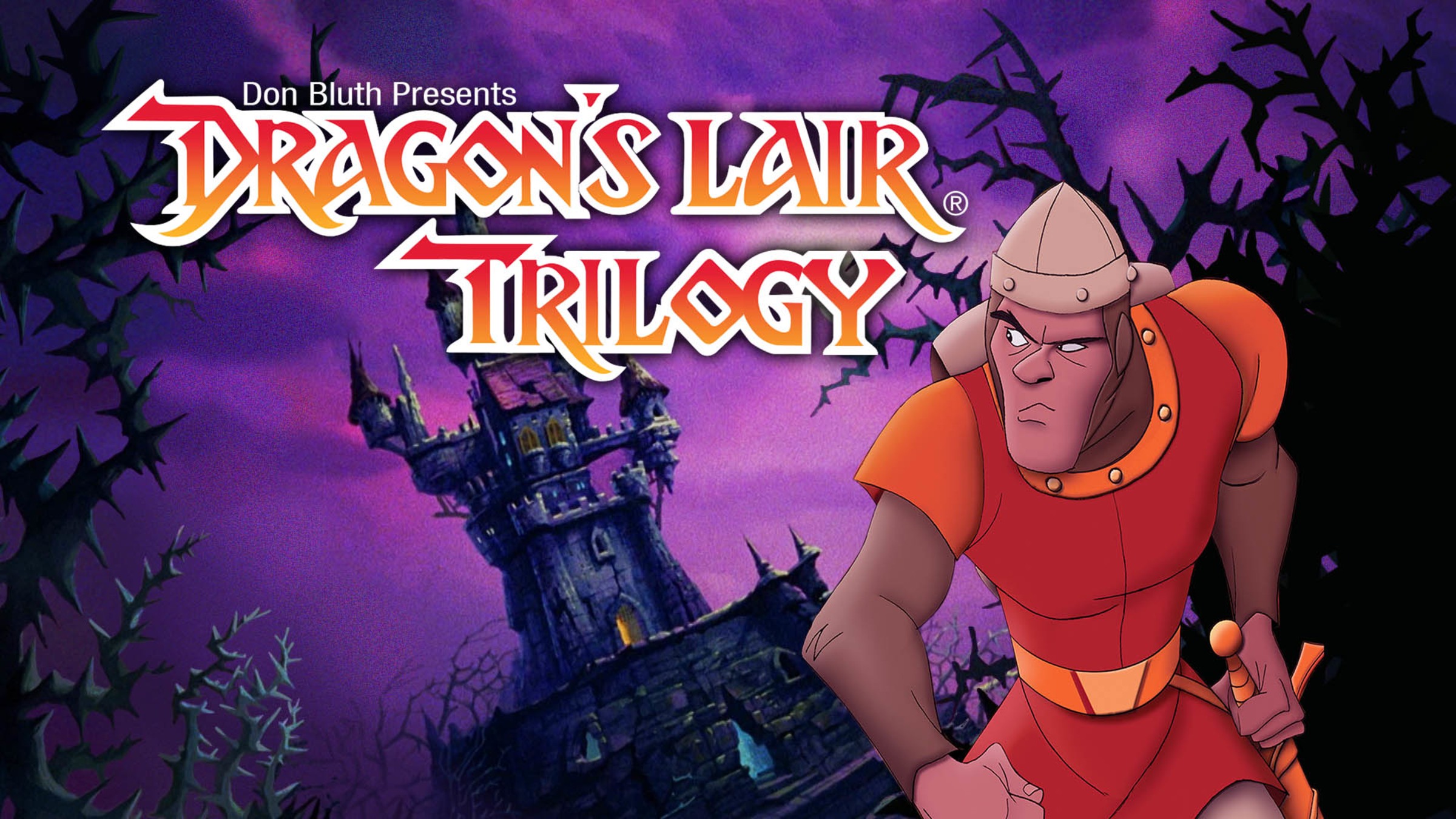
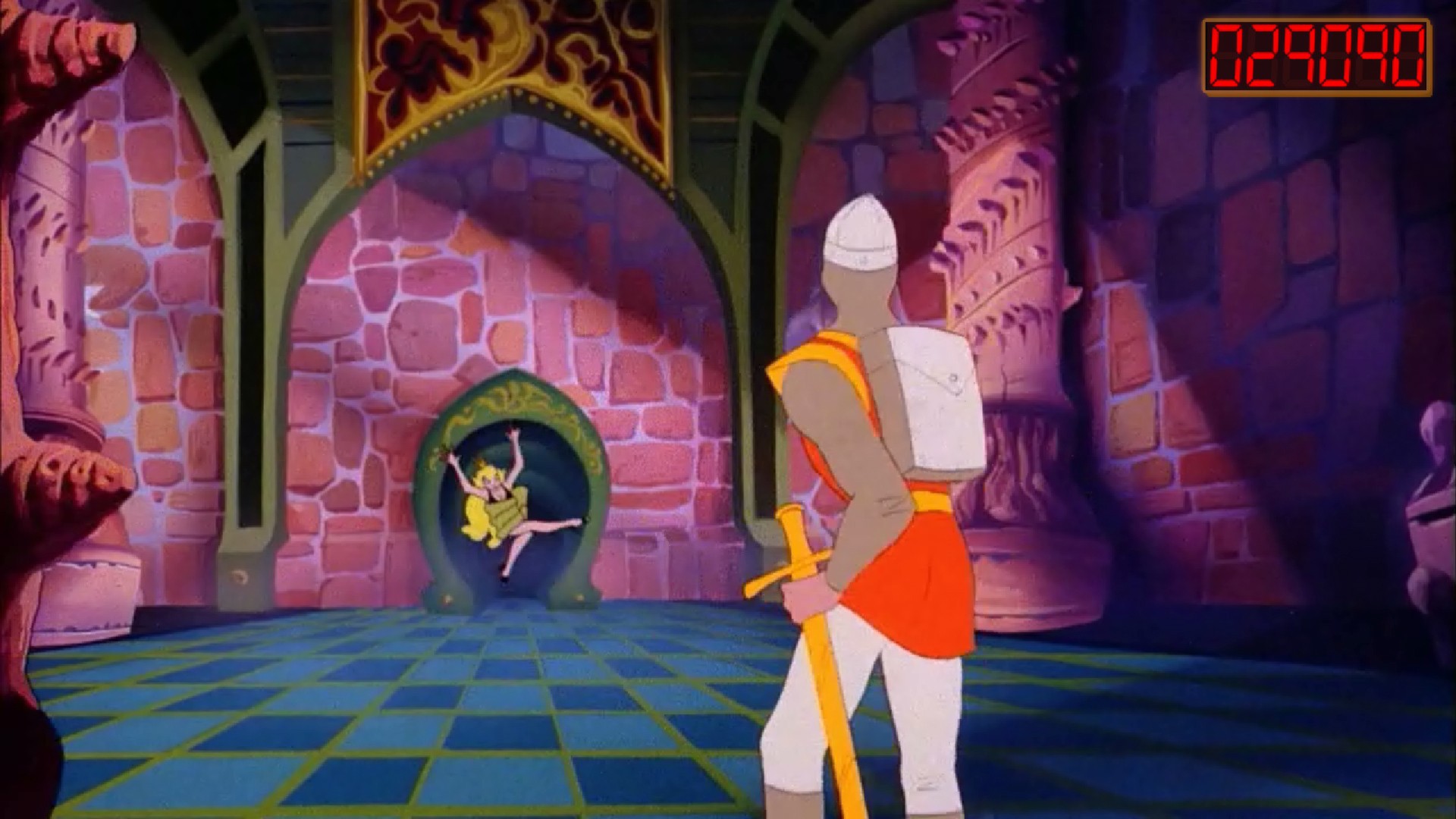
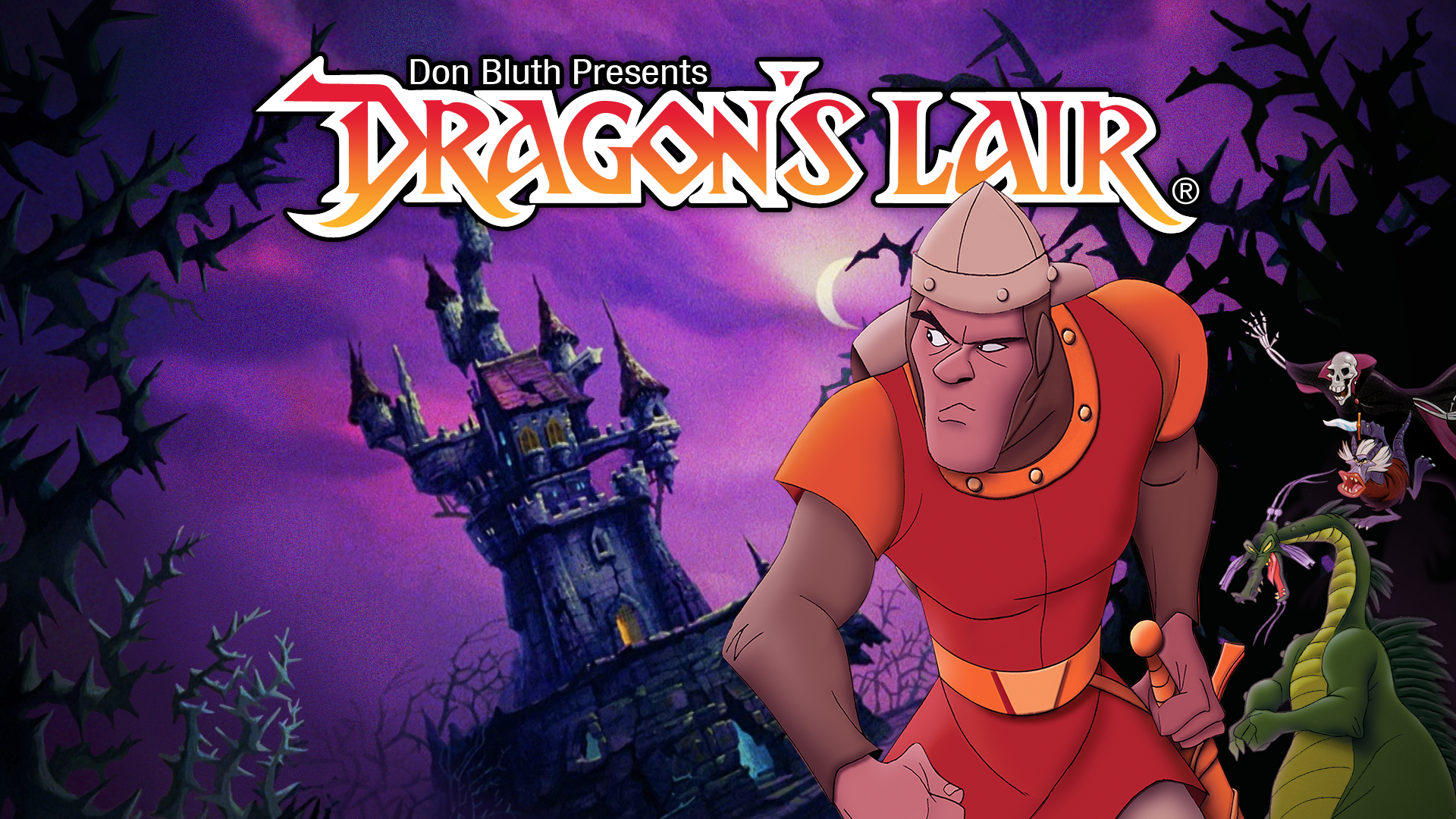
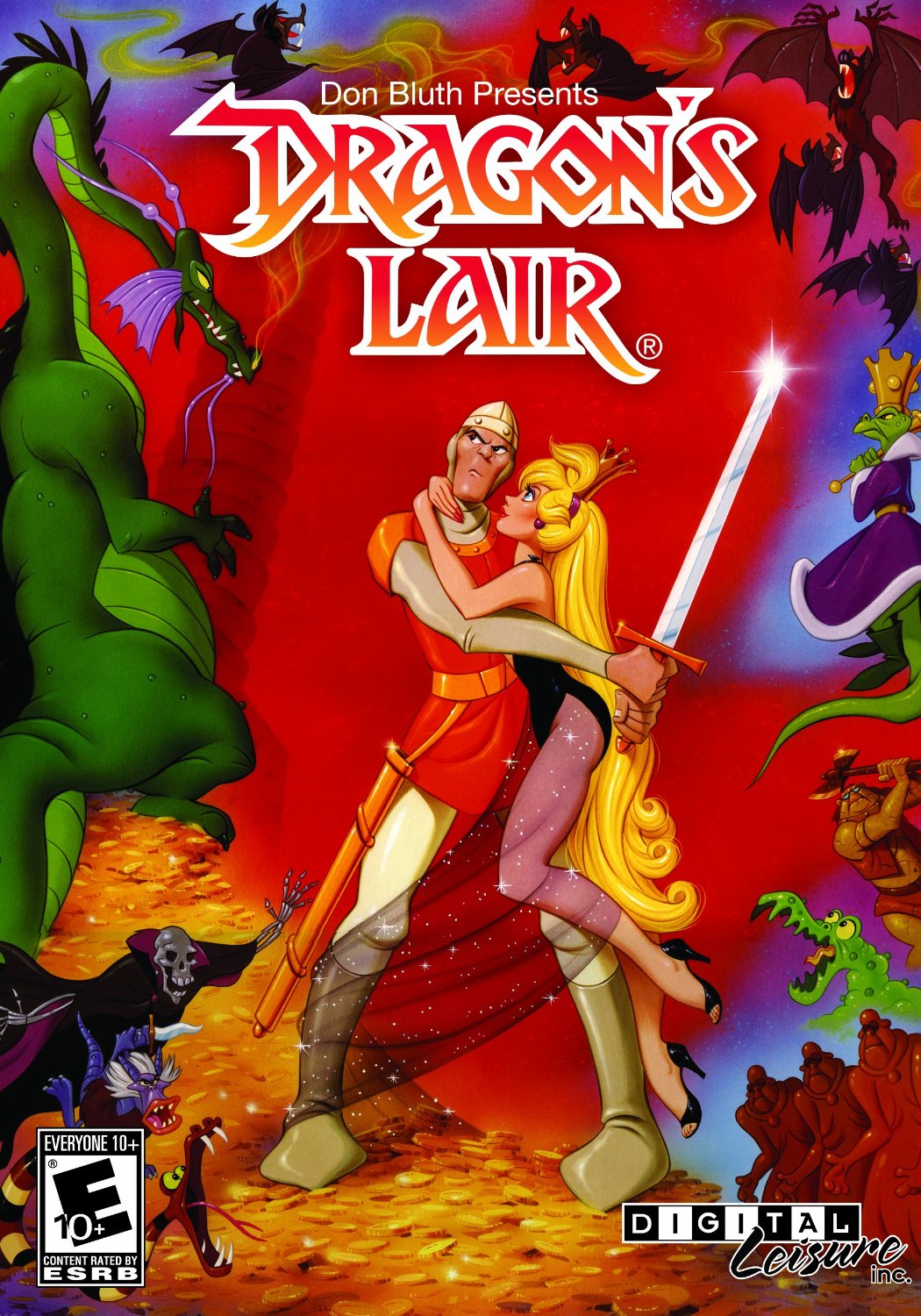
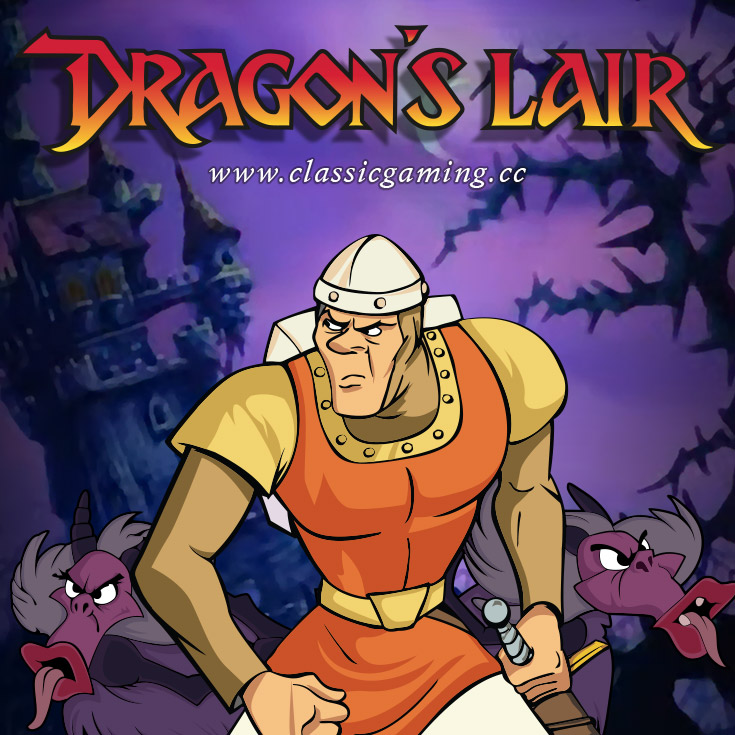
Dragon S Lair Trilogy For Nintendo Switch Nintendo Official Site Hero. Dragon S Lair On Steam Ss . Dragon S Lair Trilogy Digital Leisure DL1 Promo . Processgola Blog 71c8d496 68a5 44ef 9a17 . Dragon S Lair Video Game Online Dragons Lair 735x735
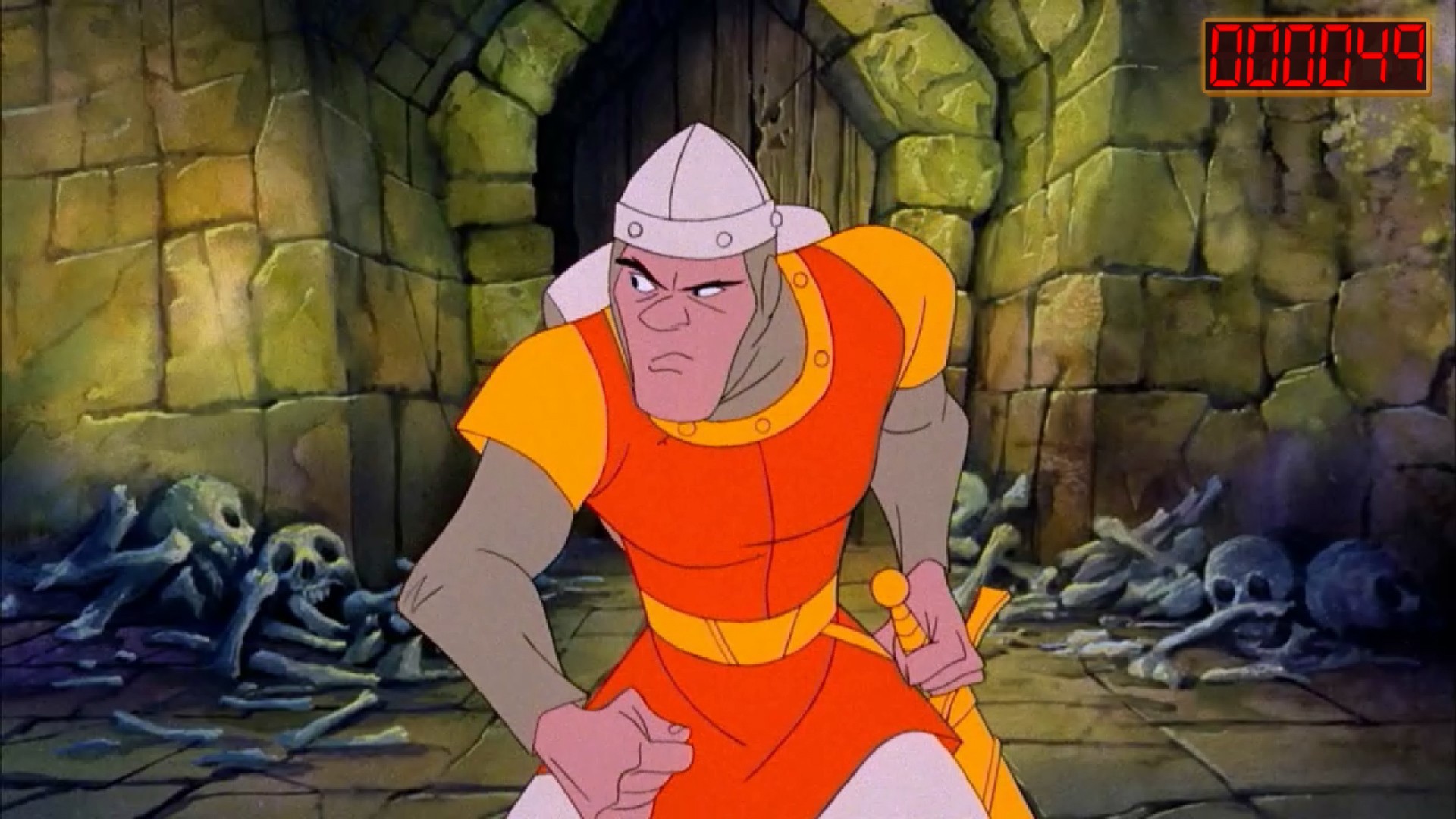
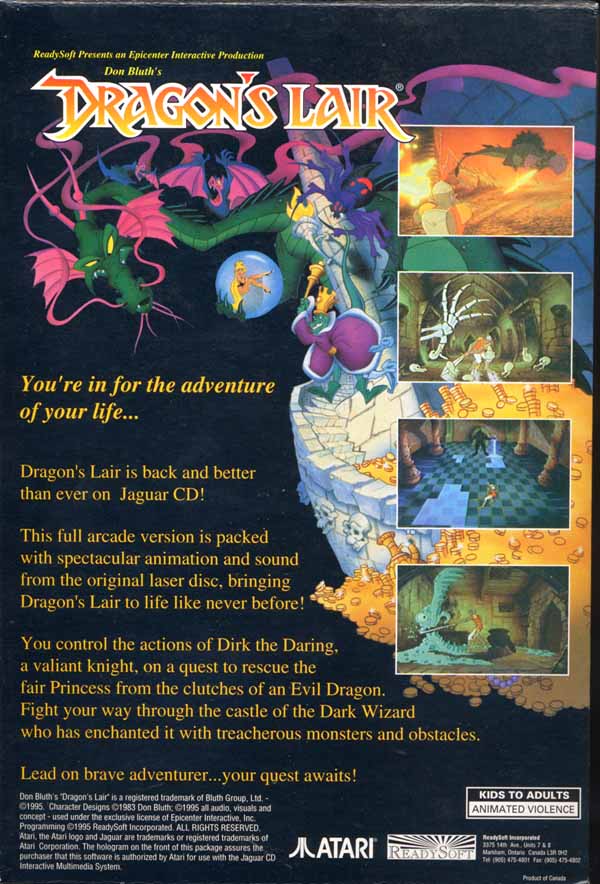
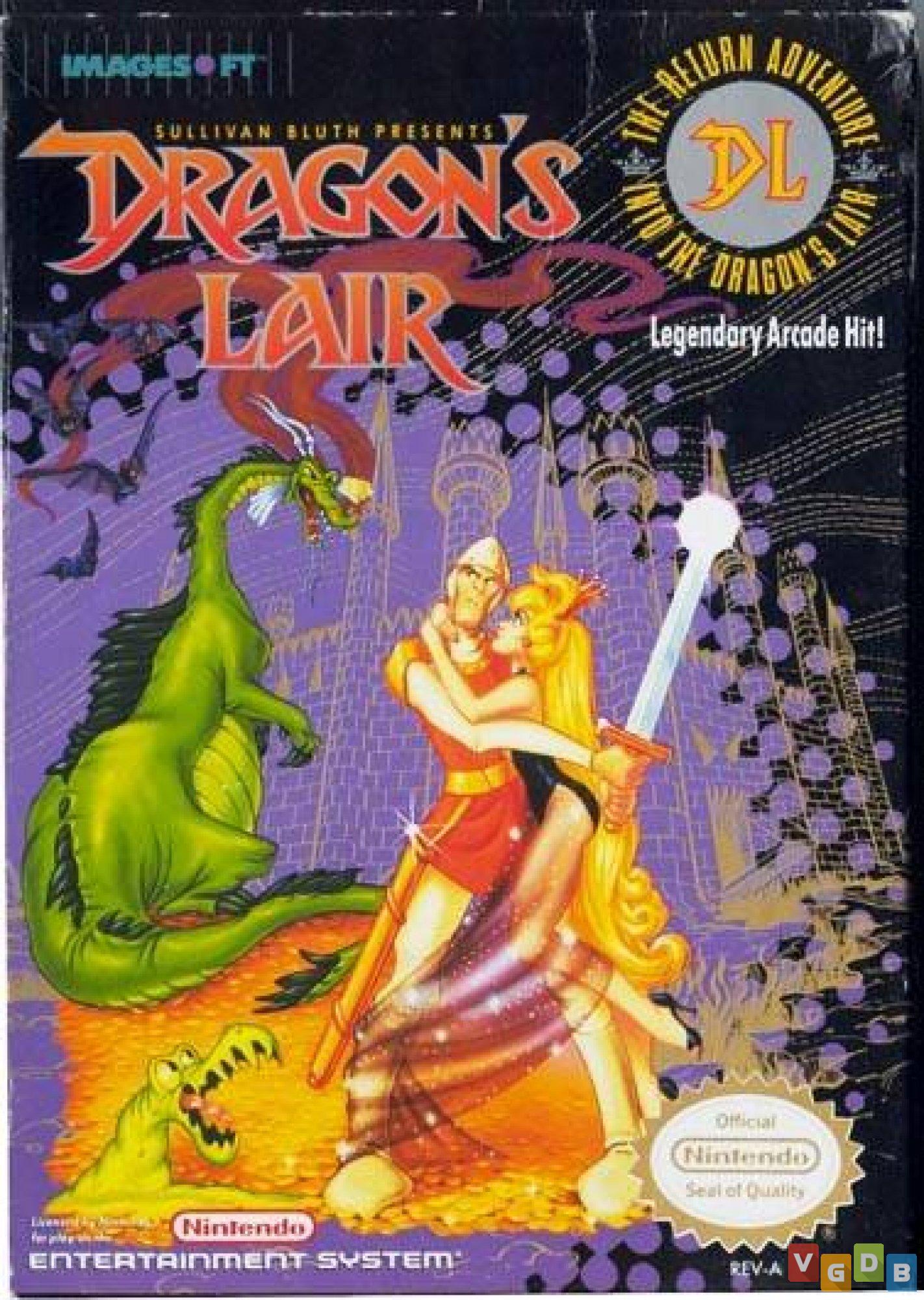


Dragon S Lair On Steam Ss . Atari Jaguar Dragon S Lair Scans Dump Download Screenshots Ads Dragon S Lair D7 2 . Dragon Lair 20th Anniversary Special Edition Testwes Sulivan Bluth Presents Dragon S Lair 24916 . Dragon S Lair Game GameGrin Dragons Lair Image . Dragons Lair Wallpaper Did You Play These Don Bluth Arcade Games 911A9HQm DL

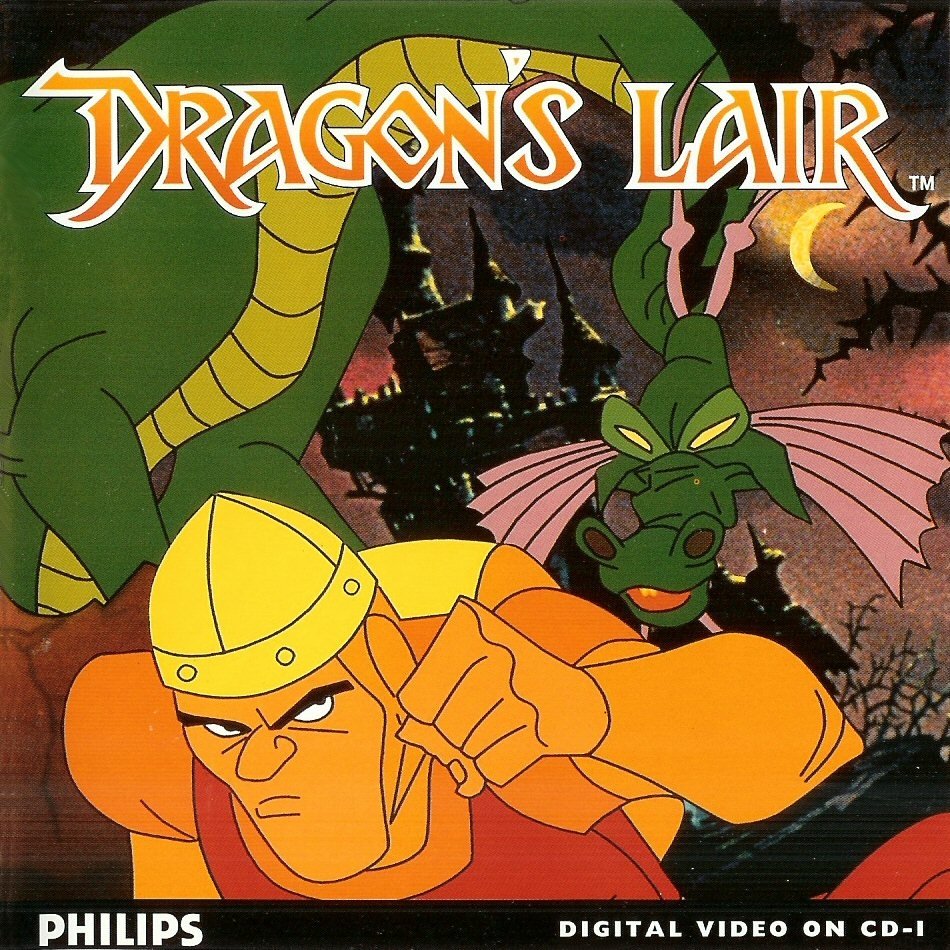
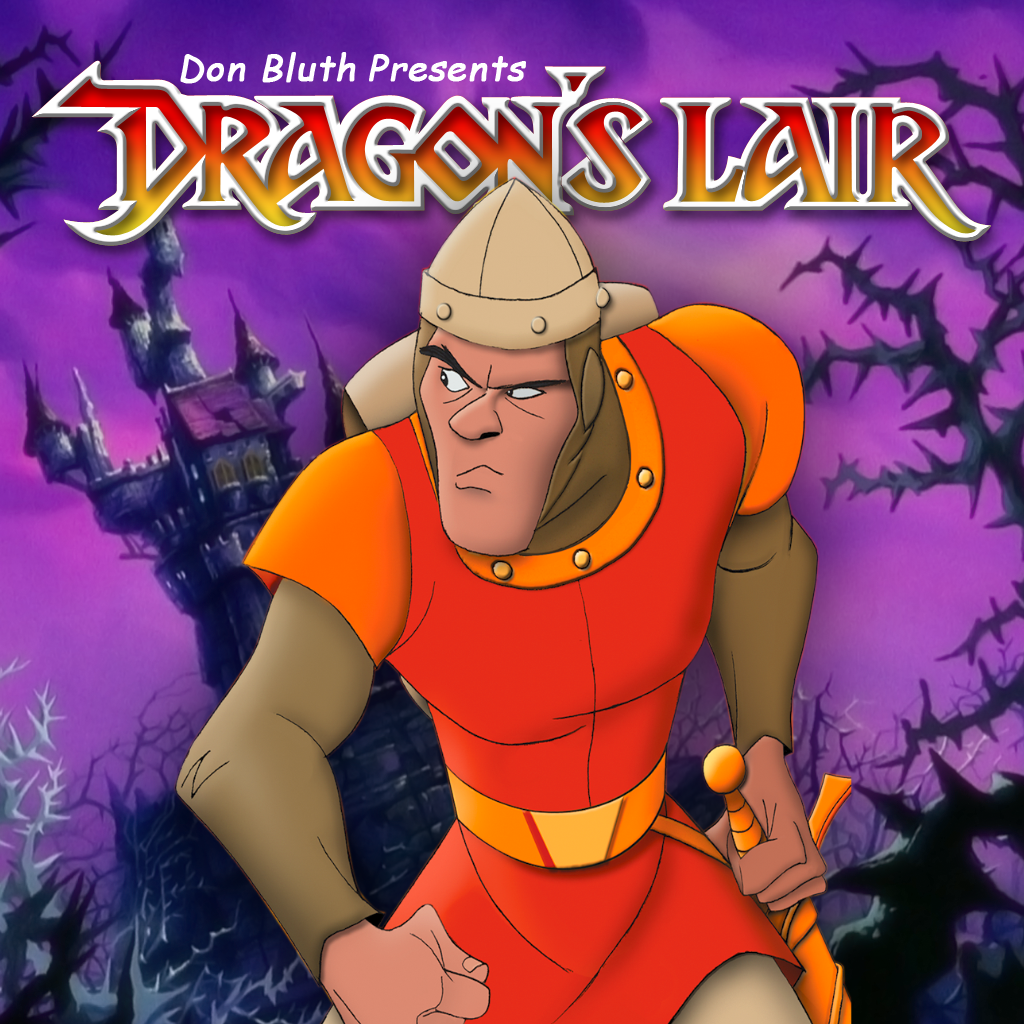
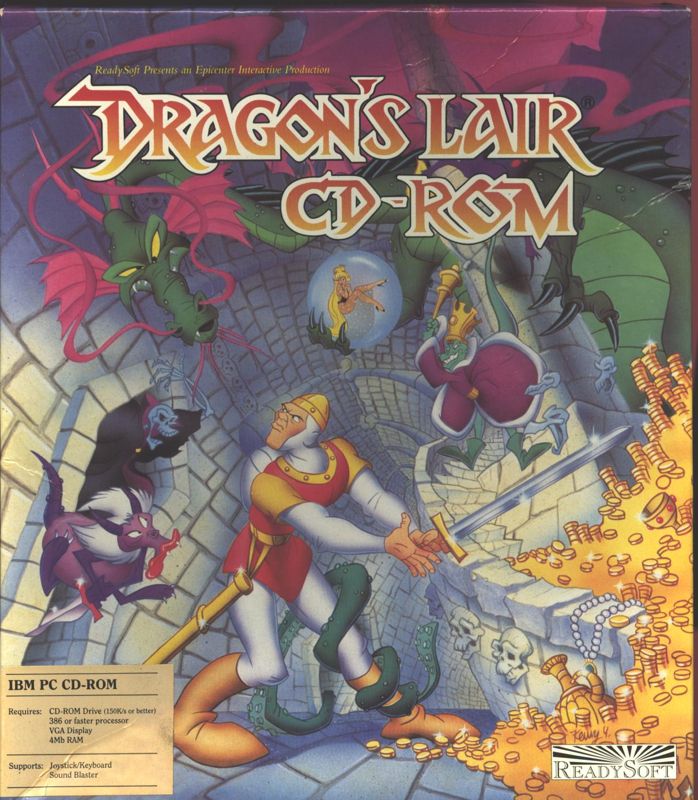

Discover Dragon S Lair The Iconic 1983 Arcade Game TikTok Img. Dragon S Lair Desktop Wallpapers Phone Wallpaper PFP Gifs And More Thumb 1920 16780 . The Dragon S Lair 30th Anniversary Game Arrives For IPhone . Dragon S Lair Media MobyGames 3948606 Dragons Lair Dos Front Cover . Dragon S Lair S Video Game HQ Dragon S Lair Pictures 4K Dragons Lair 6

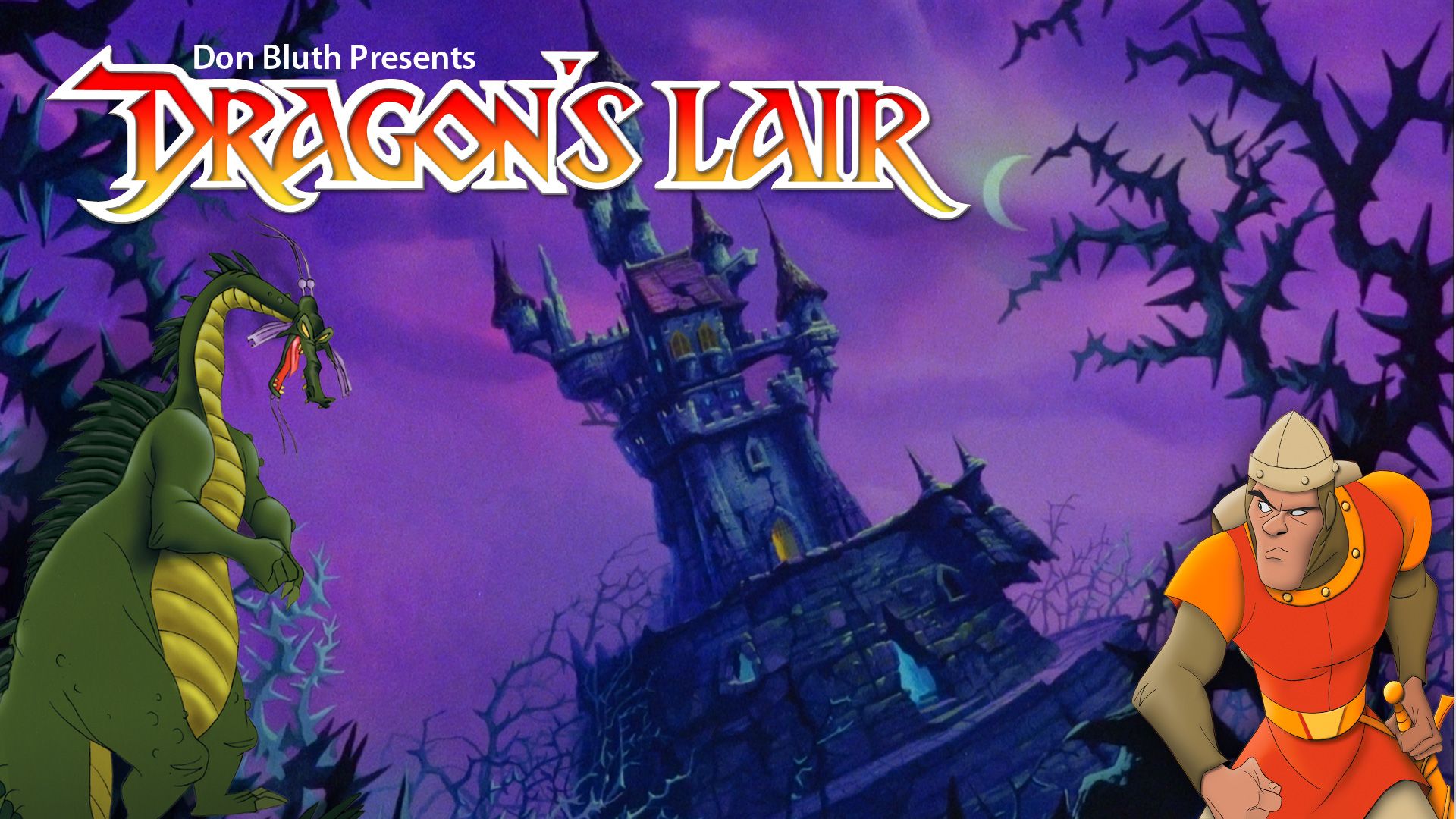

Dragon S Lair Game Dragon S Lair Wiki Fandom Latest. Dragon S Lair Wallpapers Wallpaper Cave Wp8178376 . TGDB Browse Game Dragon S Lair 113195 1 . Dragon S Lair S Impossible Game Boy Color Port Time Extension Dragons Lair.large . Dragon S Lair 3D Return To The Lair Screenshots For Windows MobyGames 240700 Dragon S Lair 3d Return To The Lair Windows Screenshot Fighting


Dragon S Lair Boxarts For 3DO The Video Games Museum 16945 Us Dragons Lair . Dragon S Lair Retro Gaming Art Dragon S Lair Dragon Comic . Dragon S Lair Get Laid Or Die Trying Mostly The Second One Dragon . Dragons Lair Dragons Lair Tfn1.600 . Dragon S Lair Walkthrough Full Game YouTube
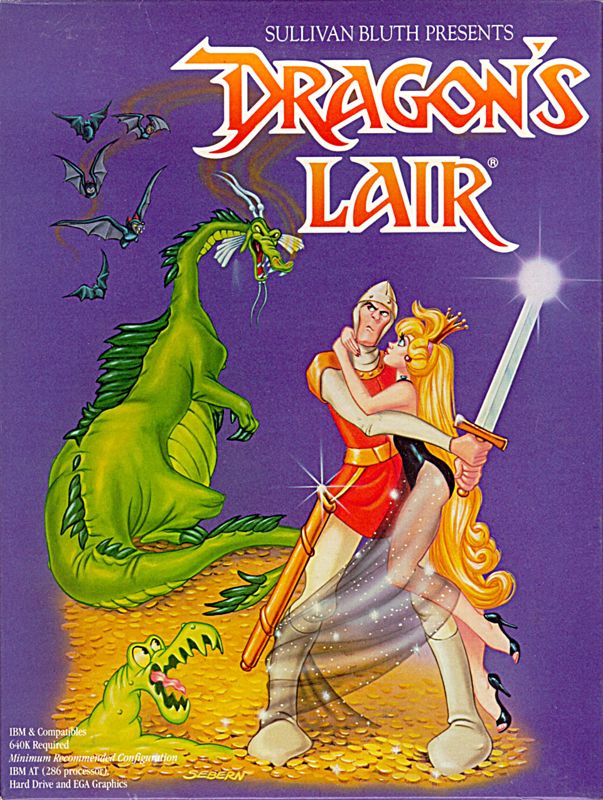
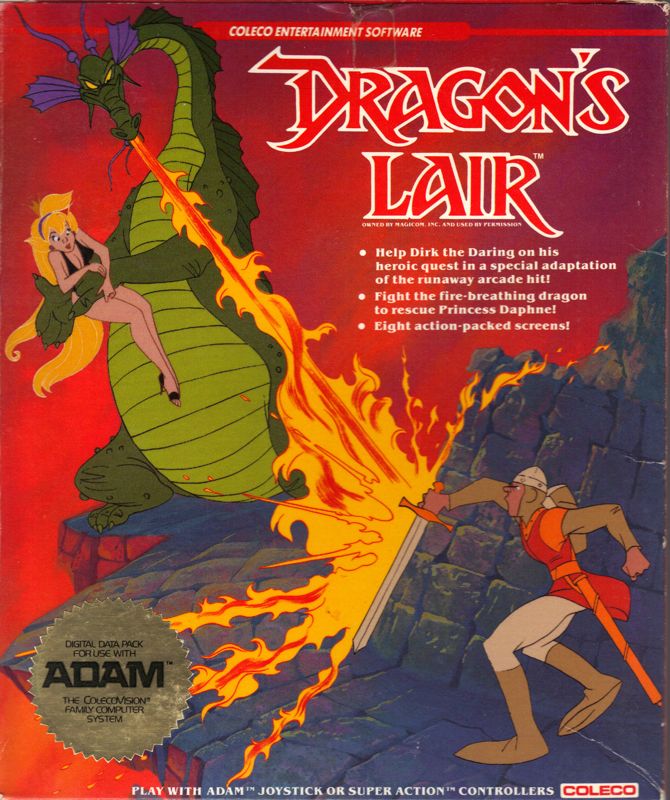

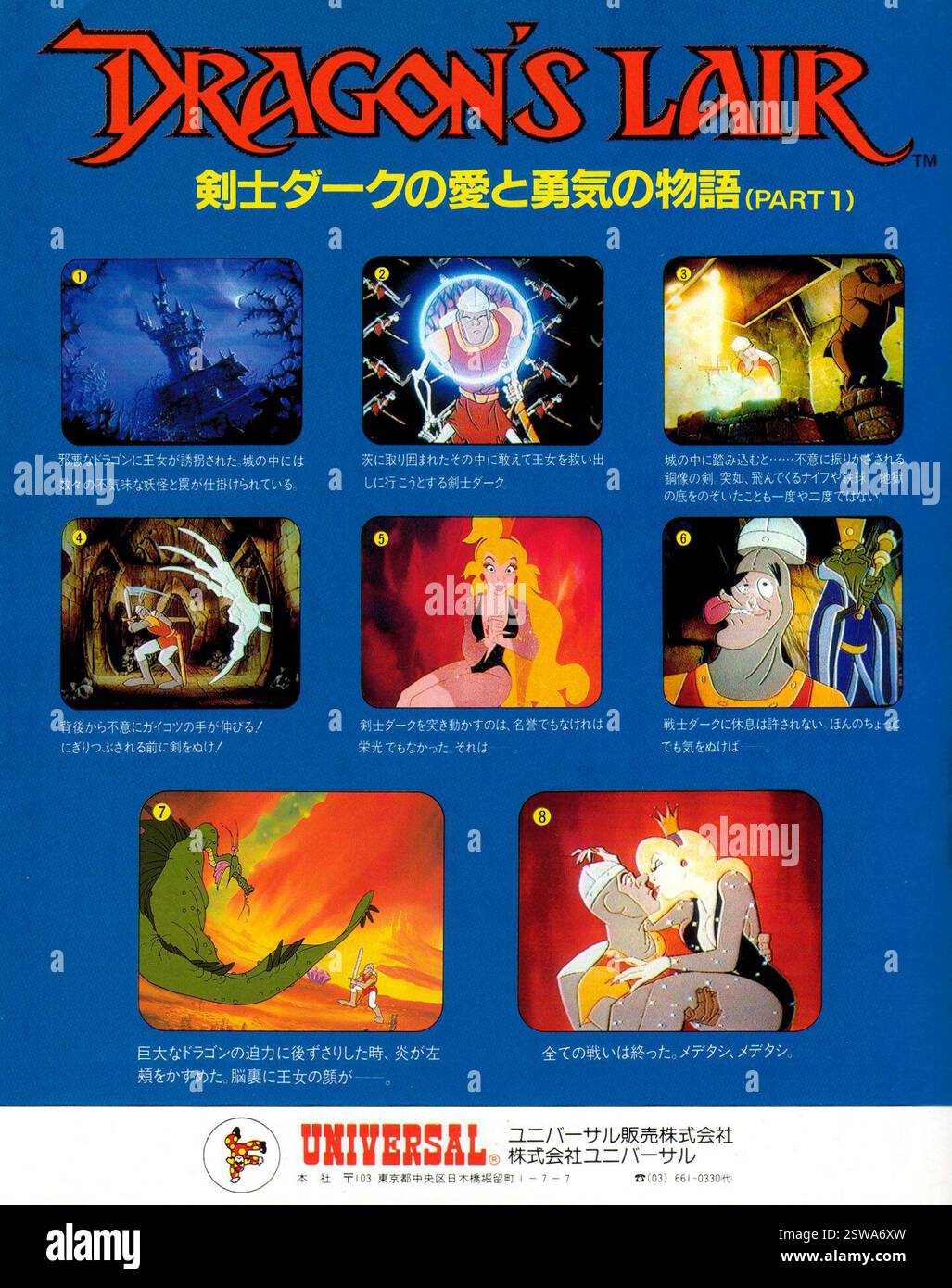

Dragon S Lair 1989 MobyGames 2937 Dragon S Lair Dos Front Cover . Dragon S Lair 1984 MobyGames 7153554 Dragons Lair Coleco Adam Front Cover . Dragon S Lair Sega CD Game Sega Cd Dragons Lair P Ng1887 . Film Promotion Art Hi Res Stock Photography And Images Alamy 1983 Dragons Lair Interactive Film Laserdisc Video Game Developed By Advanced Systems Rdi Video Systems Rick Dyer Industries Published By 2SWA6XW . Dragon S Lair Nintendo NES Games Database Dragon S Lair 1990 CSG Imagesoft
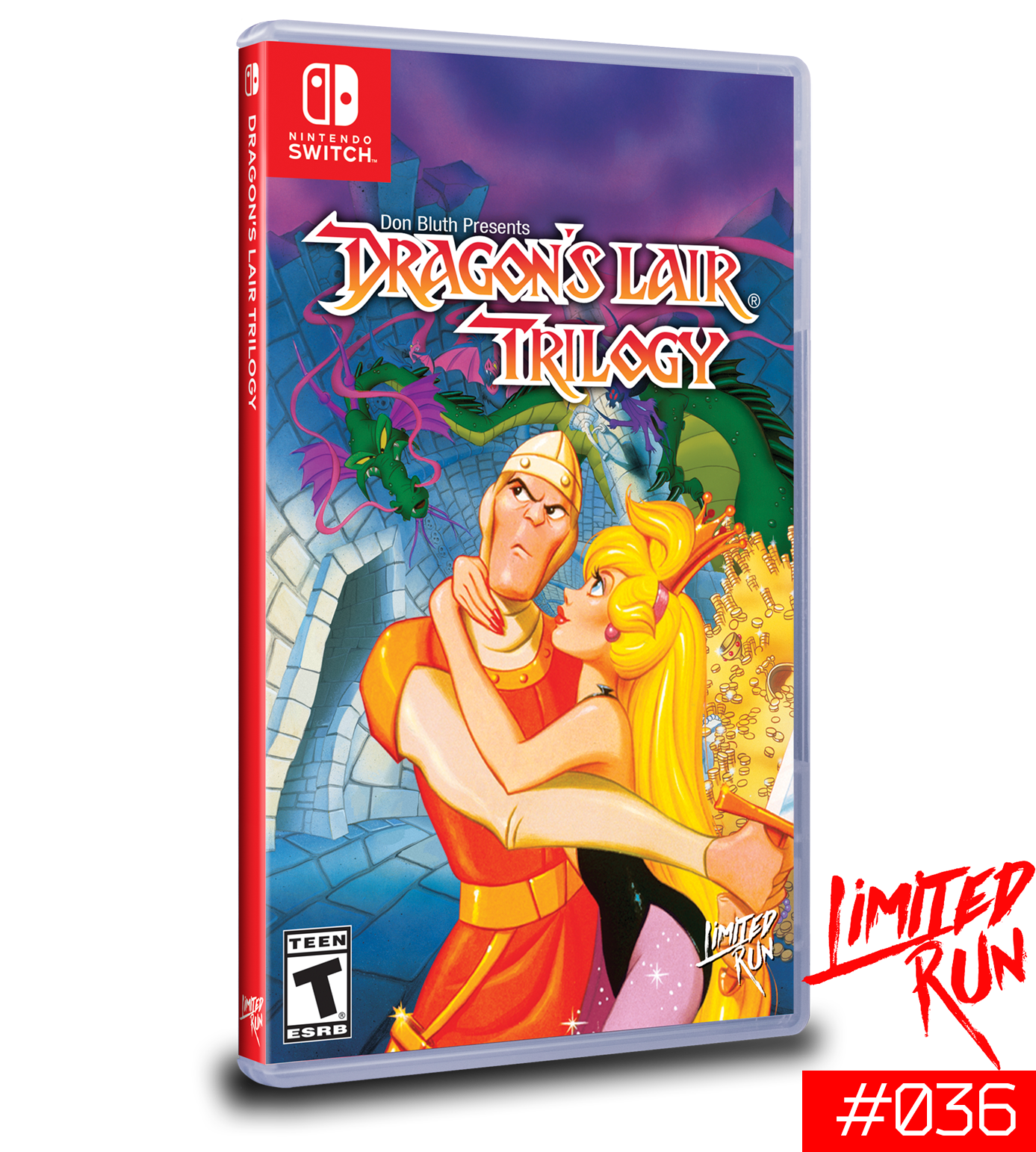
Switch Limited Run 36 Dragon S Lair Trilogy Limited Run Games DL SW . Dragon S Lair Retro Replay 3947458 Dragons Lair Game Boy Color Front Cover 1 . Dragons Lair Arcade Game Full Walkthrough 1983 Laserdisc Game 4K . Dragon S Lair Images LaunchBox Games Database 0f11f883 16b5 4097 9400 . Dragon S Lair Images LaunchBox Games Database 63bb39c7 1566 40bc B7d3